Zimeng Zhang 张子萌

Selected work & experiences精选作品与经历 · 申请补充材料

I’m a high school senior in Zhengzhou, China, interested in art, science, and technology. I enjoy drawing and design. I build learning tools and explore the future of education through interviews and talks.我是河南郑州的一名高三学生。我喜欢画画和做设计,也对艺术、科学与技术交汇的地方感到好奇。我开发学习工具,也通过采访和演讲,探索科技如何改变学习。

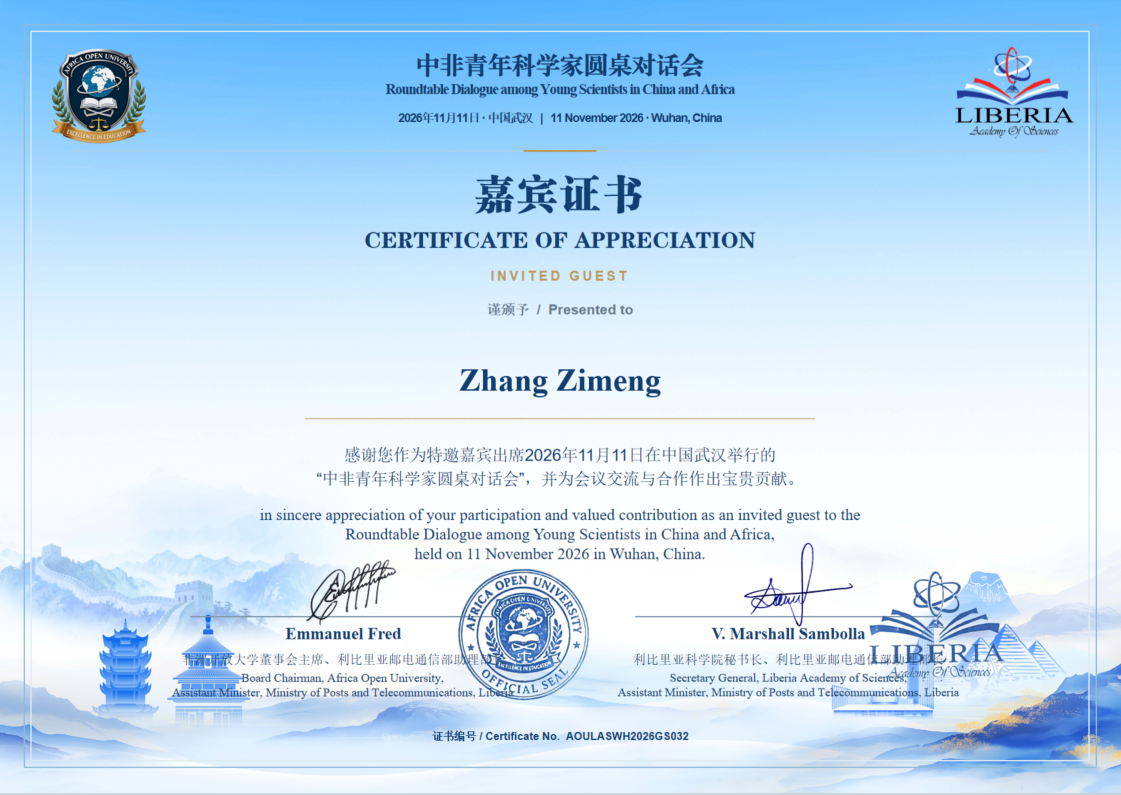
Portrait of Zimeng Zhang
01

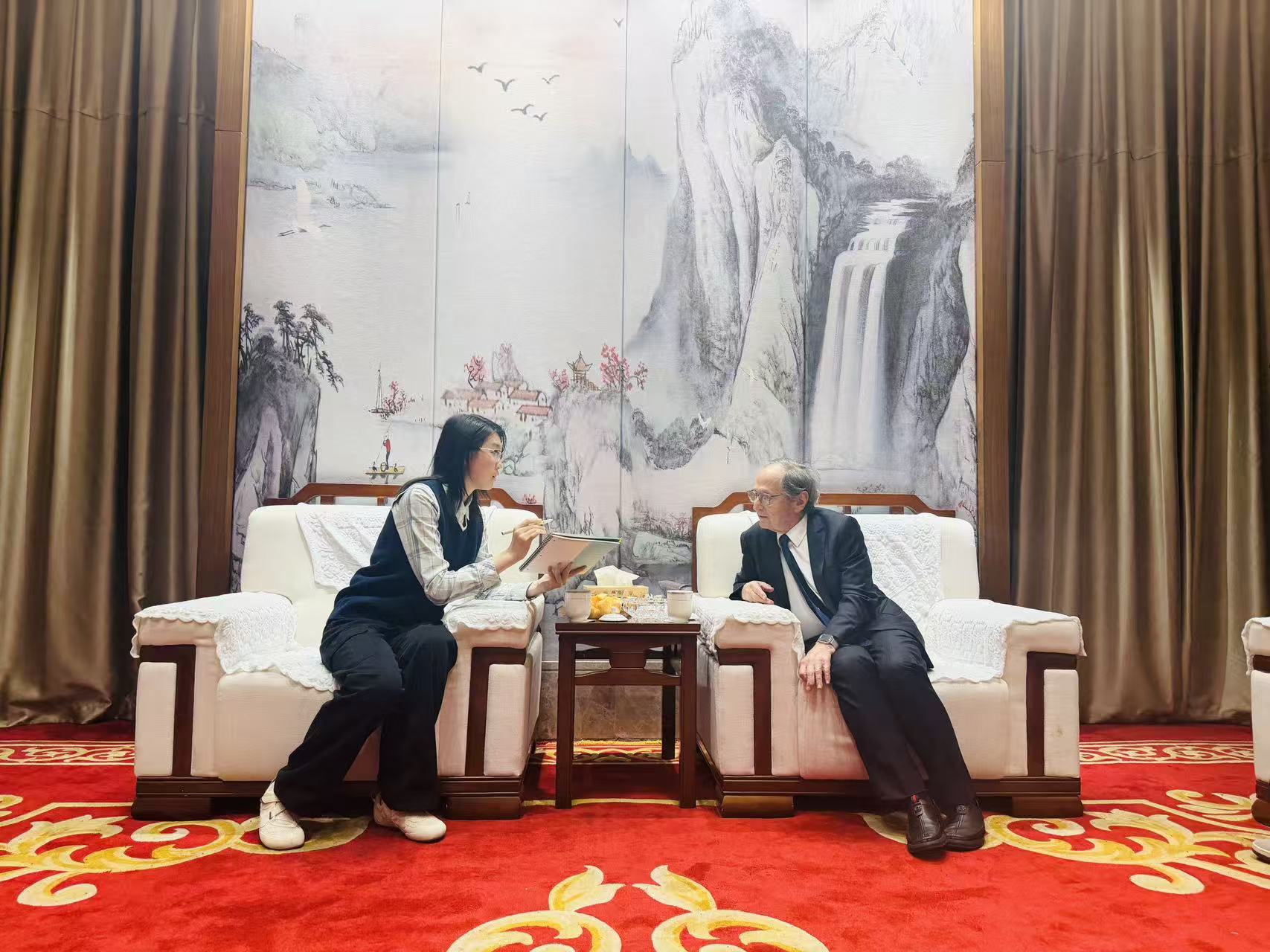
My interview with Michael Levitt
2013 Nobel Laureate in Chemistry
专访迈克尔·莱维特
2013 年诺贝尔化学奖得主

Two months at the Levitt Institute · Basic bacterial culture experiments在莱维特研究院参与两个月实验室活动 · 基础细菌培养实验

Basic bacterial culture experiments参与基础细菌培养实验

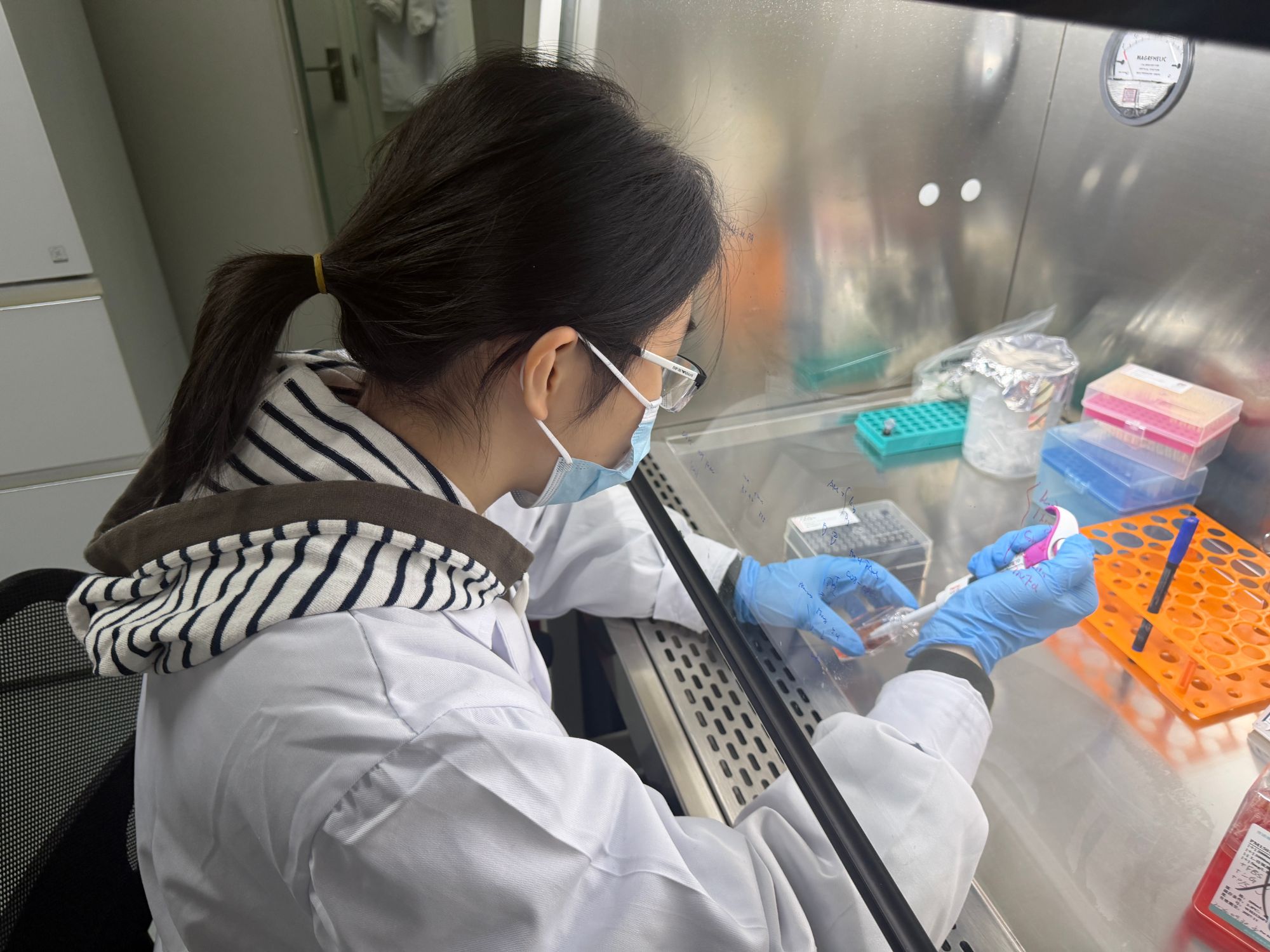
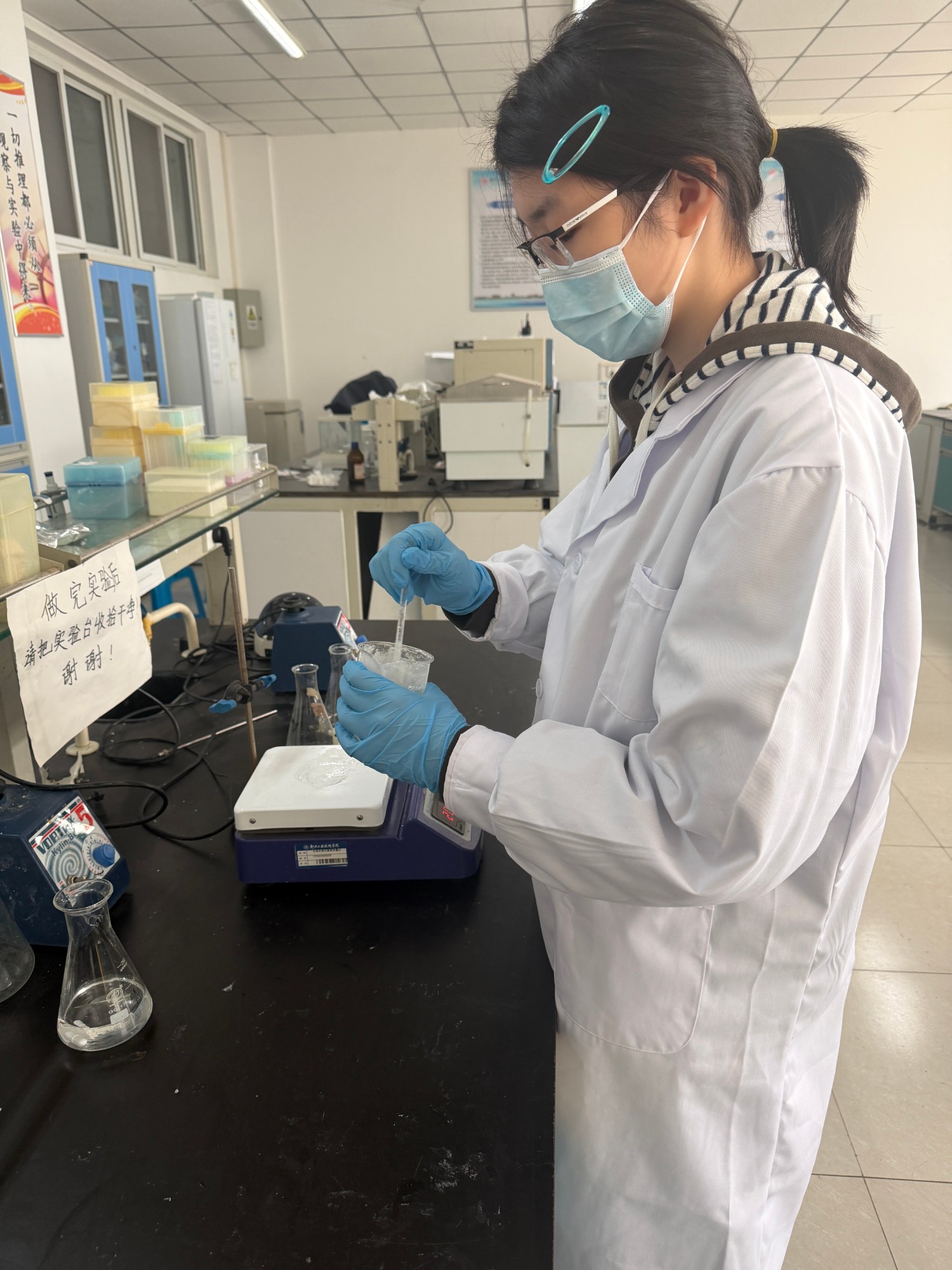
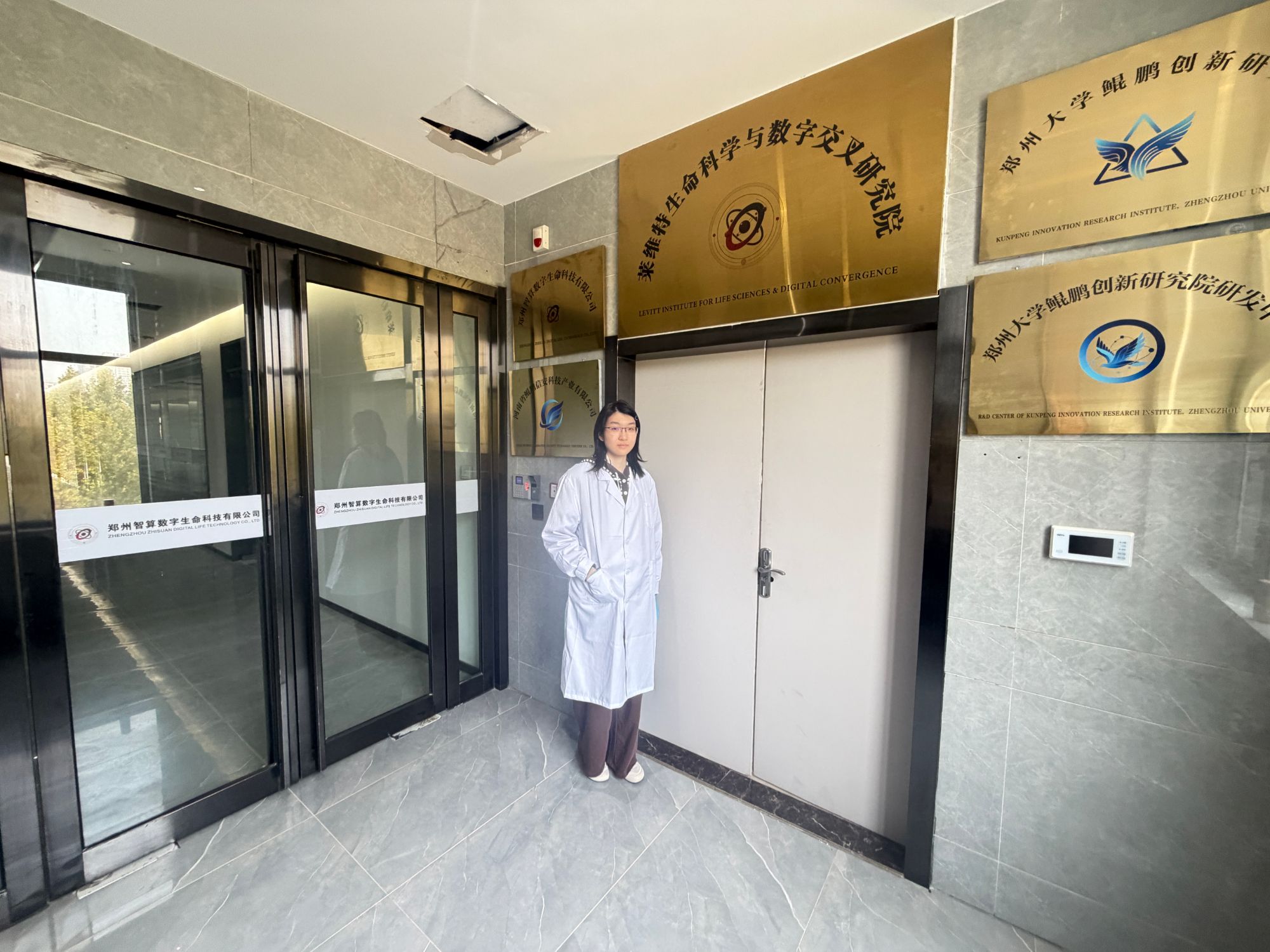
Over a two-month period, I took part in laboratory activities at the Levitt Institute for Life Sciences & Digital Convergence in Zhengzhou, including basic bacterial culture experiments. The institute is named after Michael Levitt. This experience also led to an opportunity to interview him about AI, learning, and the future of education.我在郑州的莱维特生命科学与数字交叉研究院持续参与了两个月的实验室活动,进行了基础的细菌培养实验。研究院以迈克尔·莱维特教授命名。这段经历也让我有机会近距离接触他,并就 AI、学习与未来教育向他提问。

Zimeng pipetting inside a biosafety cabinet
Pipetting移液操作
Zimeng at the laboratory bench
At the lab bench实验台前
Zimeng at the Levitt Institute entrance
Institute entrance研究院门口
Zimeng Zhang interviewing Michael Levitt
Interview with Professor Levitt · November 2026专访现场 · 2026 年 11 月
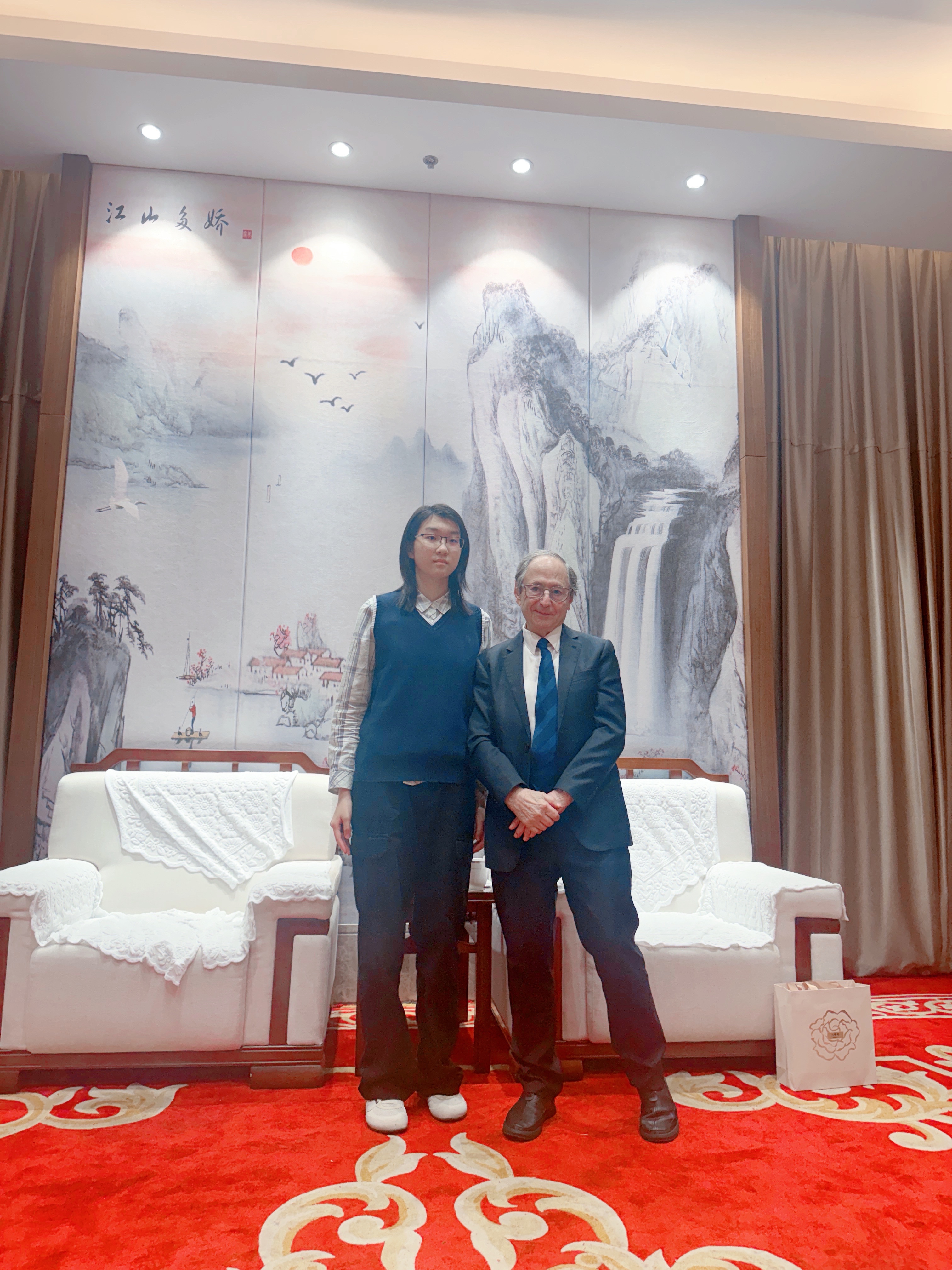
Zimeng Zhang and Michael Levitt
With Professor Levitt与莱维特教授合照
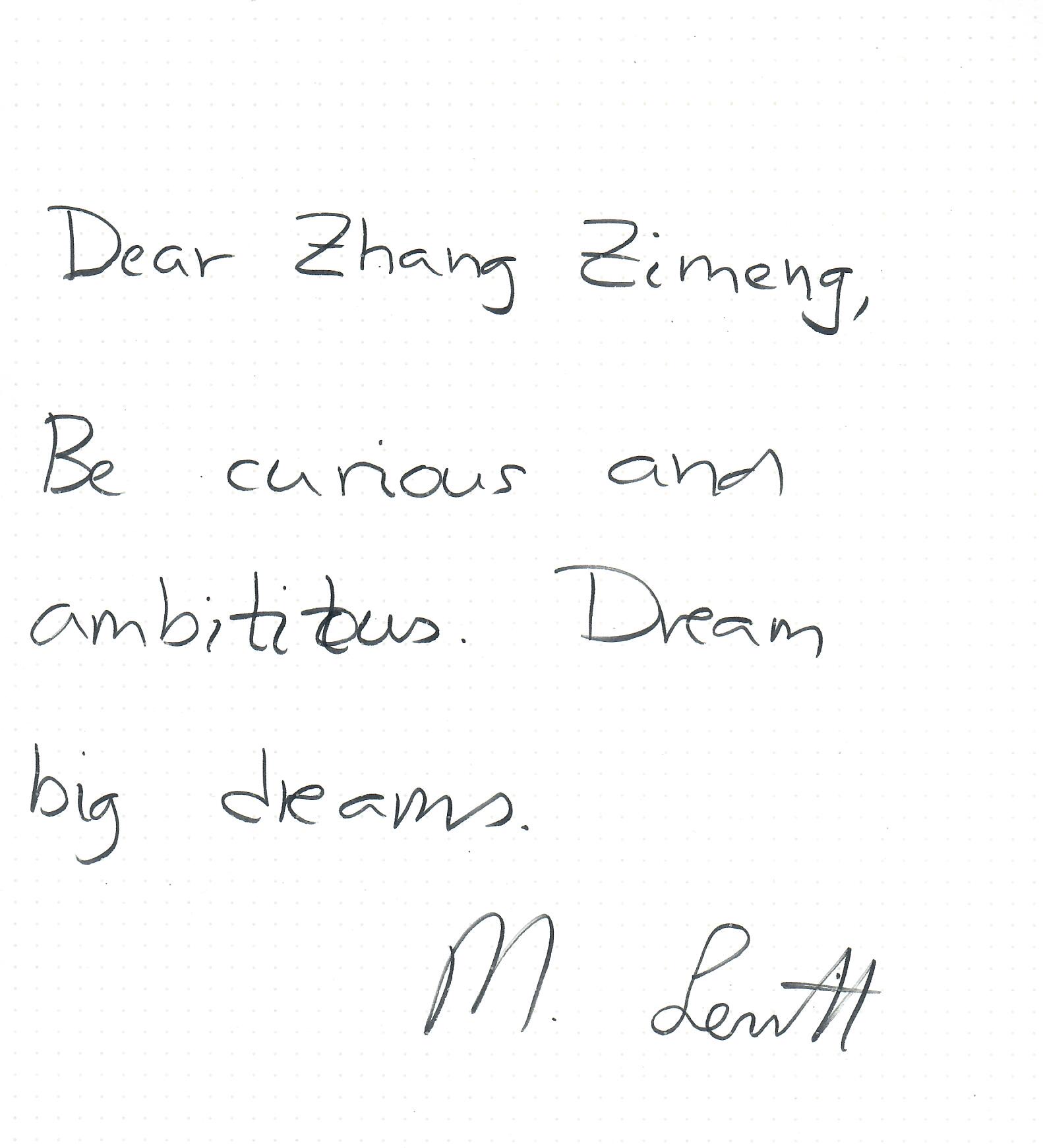
Handwritten message from M. Levitt to Zhang Zimeng
His handwritten message · Click to enlarge亲笔寄语 · 点击查看原件

My interview with Michael Levitt与迈克尔·莱维特的专访

How can students use AI and still think for themselves?使用 AI 学习时,怎样保持独立思考?

I asked Professor Levitt about learning with AI, skills for the future, and advice for students interested in science.我围绕 AI 辅助学习、未来需要的能力,以及给有志科研的高中生的建议,向莱维特教授提问。

Published by 世诺会 on WeChat
November 16, 2026 · English translation available
专访已刊发 · 微信公众号「世诺会」
2026 年 11 月 16 日

Read the English summary展开采访内容摘要

English summary of the published Chinese interview.以下根据报道截图中的中文问答整理。

Using AI while thinking independently如何使用 AI,同时保持独立思考?

I asked whether AI could replace independent thinking. Professor Levitt described it as a tool for finding information and exploring ideas, while emphasizing that students still need to ask their own questions.子萌询问 AI 对中学生的价值,以及它会不会替代独立思考。莱维特强调,AI 可以帮助查找资料、探索思路,学生仍需自己提问和思考。

Skills for an AI-driven worldAI 时代,学生应当培养哪些能力?

We discussed personalized learning and why logic, reading, and math still matter, alongside critical thinking, collaboration, and communication.访谈讨论了个性化学习,以及逻辑、阅读、数学基础的重要性,同时涉及批判性判断、协作和沟通能力。

Advice for aspiring scientists如何面对变化、探索科学?

I also asked about future careers and pursuing science. He encouraged curiosity, experimentation, broad interests, and a willingness to question AI-generated answers.子萌还询问了未来职业变化,以及给有志科研的高中生的建议。莱维特鼓励保持好奇、动手探索、拓宽学习视野,并持续质疑 AI 给出的答案。

02

EduMind — Gold Medal
2026 Youth AI Project Competition
EduMind:2026 青年 AI 项目竞赛金奖

Turning mistakes into a study plan让错题变成有方向的复习

The problem我关注的问题
Keeping a list of mistakes doesn’t tell students what to study next.把错题抄下来,并不等于知道自己为什么反复出错。
My work我做了什么
I designed and developed a Python-based study tool that reads questions from photos, identifies topics to review, and suggests targeted practice.我构思并开发了一个基于 Python 的复习工具:通过 OCR 读取错题照片,对应薄弱知识点,并生成针对性的练习建议。
Award获得的认可
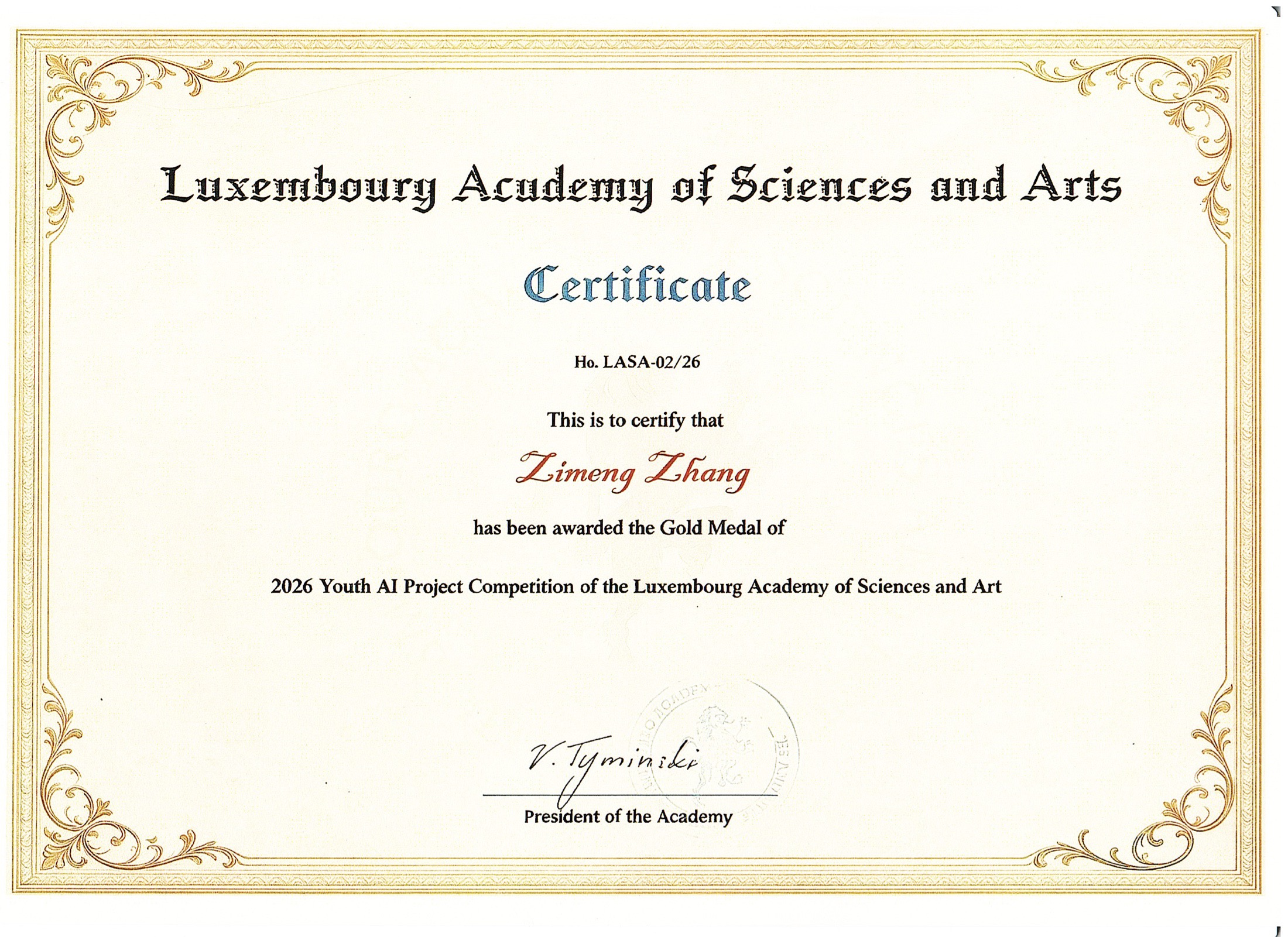
2026 Youth AI Project Competition Gold Medal, awarded by the Luxembourg Academy of Sciences and Arts (LASA).获卢森堡科学院与艺术学院(LASA)2026 青年 AI 项目竞赛金奖。
Try the interactive demo打开交互演示
Gold Medal certificate awarded to Zimeng Zhang by LASA
Gold Medal certificate · LASA-02/26 · Click to enlarge金奖证书 · LASA-02/26 · 点击查看原件

From a mistake to a study plan从一道错题,到下一次有方向的复习

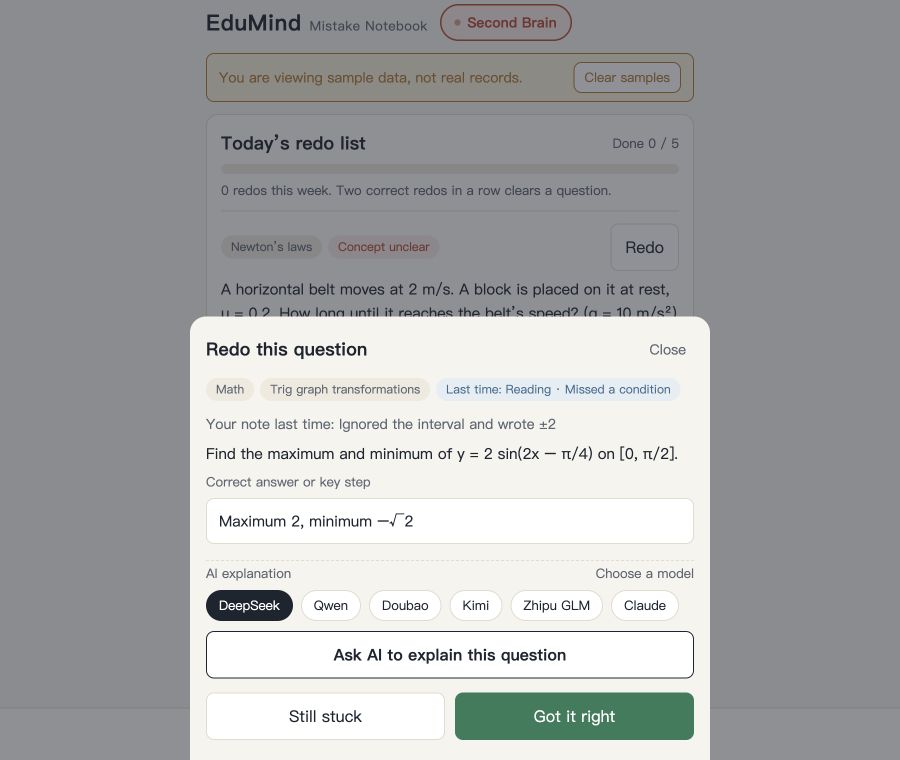
A built-in sample question from the demo.以下取自现有演示的内置例题。

  1. Record the mistake记录这次错误

    y = 2 sin(2x − π/4), x ∈ [0, π/2]

    Find the maximum and minimum. The sample student’s note: “Ignored the interval and wrote ±2.”求最大值与最小值。记录的错因是:“漏看了区间,直接写了 ±2。”

  2. Spot a pattern发现反复出错的地方

    Three trigonometry problems still need practice: two with missed conditions and one with a calculation error. The tool recommends reviewing this topic.演示汇总出 3 道未过关的三角函数题:2 次漏看条件、1 次计算错误,提示需要重新巩固这个知识点。

  3. Practice and check安排重做与检查

    The problem goes on the review list. Try it again, then check the saved answer: maximum 2, minimum −√2. After two correct attempts in a row, the tool marks it complete.这道题进入复习清单。先重做,再核对已存答案:最大值 2,最小值 −√2。连续两次做对后标记过关。

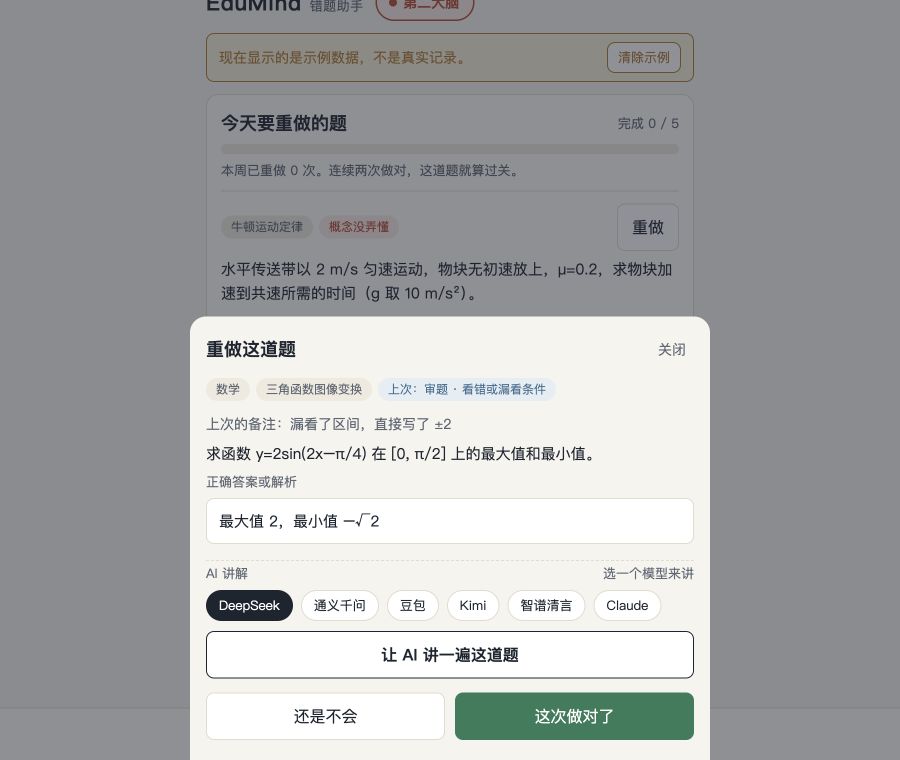
Actual EduMind demo showing the trigonometry question, recorded error and saved answerEduMind 现有演示:三角函数例题、错因备注和答案核对界面
Demo screenshot · Click to enlarge实际演示界面 · 点击放大
Read the project overview展开项目介绍全文

Why I built it

In my own schoolwork, I noticed that collecting mistakes did not always help me understand what to study next. I independently designed and developed EduMind to help high school students turn those mistakes into a more focused study plan.

How the project works

The project uses Python and optical character recognition (OCR) to read questions from photos and connect them to topics in the high school curriculum. It brings together error patterns, topics that need more work, and targeted practice.

The interactive demo shows the review workflow: record a question and why it went wrong, look for recurring patterns, and return to the problems that need practice. Students try each problem before checking the saved answer. After two correct attempts in a row, the tool marks it complete.

Recognition

EduMind received the Gold Medal in the 2026 Youth AI Project Competition of the Luxembourg Academy of Sciences and Arts. The certificate is shown above.

What I learned

Building EduMind helped me focus on a practical question: how can technology help students understand their mistakes and decide what to do next? That interest also connects with my interviews and talks about the future of education.

一、项目背景

在日常高中学习过程中,我观察到普遍存在的学习痛点:完成大量习题后,多数学生难以精准定位自身知识薄弱点。传统人工整理错题耗时巨大,同时很难挖掘反复出错背后隐藏的知识漏洞。市面上现有的人工智能学习工具大多面向大学生与成年人,缺少贴合高中生学习习惯、适配校内课程体系、轻量化的解决方案。

受这一现实问题驱动,我独立构思并开发EduMind,一款依托人工智能技术,提升高中生自主复习效率的智能工具。

二、核心技术框架

1. 数据采集:学生可上传试卷、作业中错题的照片。系统借助OCR(光学字符识别)技术提取题目文本,并自动标注学科(数学、物理、英语等)。

2. 知识图谱构建:搭建高中课程知识图谱,将每一道错题对应至具体知识点,例如数学学科“三角函数图像变换”“导数极值应用”等。

3. AI诊断引擎:融合基于规则的推理机制与轻量化机器学习模型,分析学生错题规律,区分“粗心失误”与“概念理解偏差”,定位高频薄弱知识板块。

4. 个性化输出:系统自动生成定制化复习方案,推送同类变式练习题,并提供精简的知识点解析,支撑针对性学习。

整套技术方案适配高中生开发落地:以Python作为核心编程语言,调用开源OCR模型与轻量化本地推理模型,无需昂贵云计算资源,实现低成本部署与可拓展性。

三、项目成果与价值

1. 校内试点测试:项目完成后,EduMind在我所在高中开展试点,数十名学生参与试用。反馈显示,使用者拥有了更清晰的自主复习规划,人工抄写整理错题的时间减少约40%。

2. 跨学科融合:除计算机科学外,项目借鉴教育心理学“刻意练习”理论,探索人工智能如何真正赋能、而非替代学生独立思考。这也直接关联到我后续受邀以杰出嘉宾身份出席联合国教科文组织文化艺术教育周,围绕教育数字化未来展开交流研讨。

3. 核心创新点

立足学生视角,直击真实学习痛点,解决现实教育难题;

轻量化架构,无需高端硬件设备,具备在校内广泛推广的潜力;

兼顾技术落地与人文教育思考,拒绝为追求AI而堆砌技术。

四、与卢森堡科学院艺术院金奖的关联

正是这套完整的研究框架、落地实践,以及人工智能与教育场景的创新融合,让本项目荣获2026年卢森堡科学院艺术院青年AI项目竞赛金奖(证书编号:LASA-02/26)。评委会认可EduMind以学生为中心的设计理念,肯定项目将人工智能应用于教育领域,兼具技术价值与社会价值。

五、延伸思考

本项目让我认识到,人工智能真正的价值,不在于单纯追求技术层面的复杂精妙,而在于解决现实问题。技术发展必须扎根人文,扎根教育、文化以及跨文化理解。正是这份信念,促使我前往联合国教科文组织,参与数字教育、文化遗产相关国际对话;同时也激励我以《中国科学》少年特约通讯员的身份,向更广泛的受众科普人工智能与创新相关的前沿知识。

03

Public speaking & scientific exchange演讲与科学交流

《科学中国人》Scientific Chinese

Contributing junior reporter特约小记者

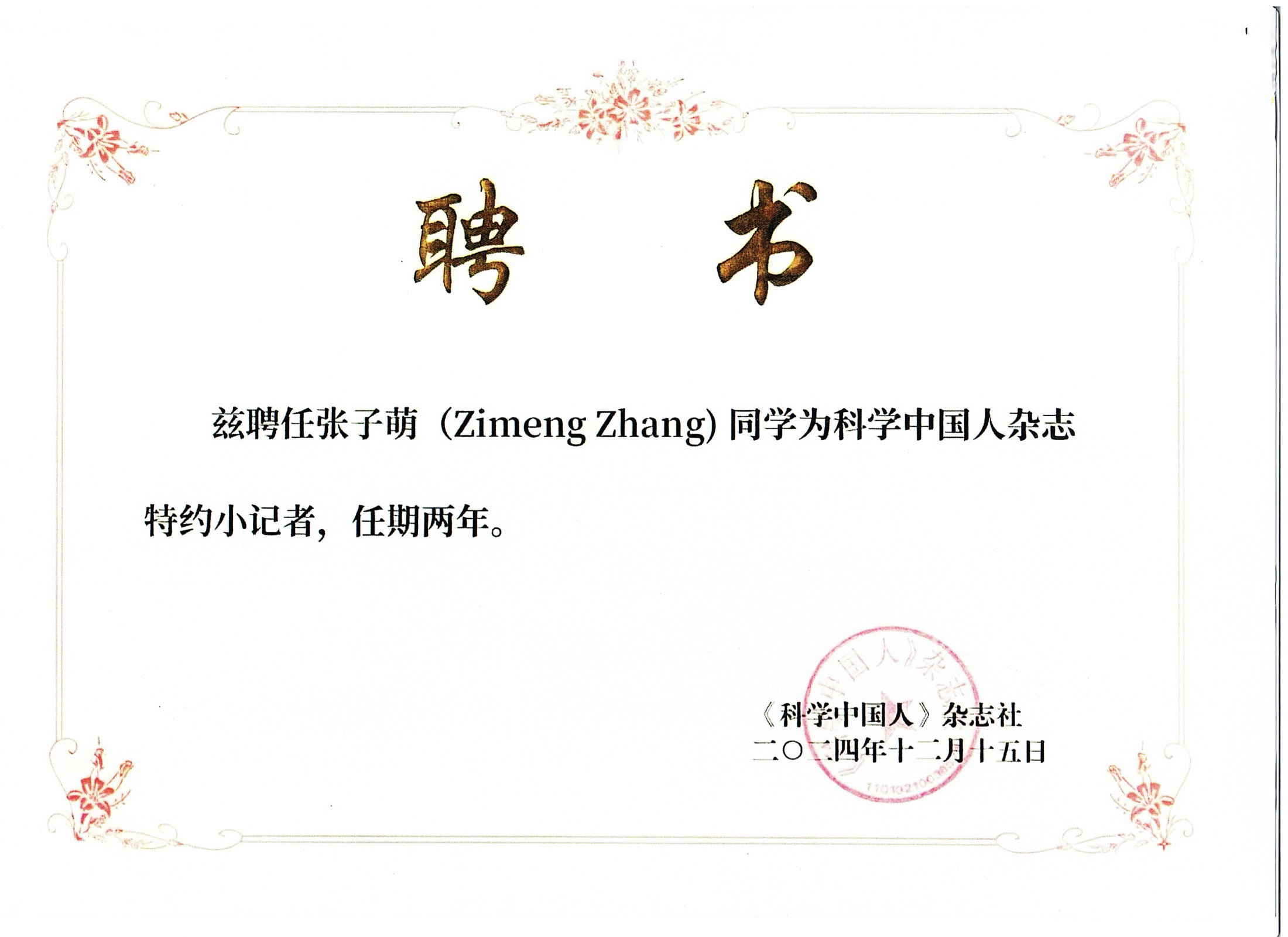
Appointed December 15, 2024 · Two-year term2024 年 12 月 15 日聘任 · 任期两年

My interview with Professor Levitt above is part of my interest in sharing science with young readers.上面的莱维特专访,也是我向青少年读者介绍科学的一次尝试。

Letter of Appointment · English translation聘书英文译文

This is to appoint Zimeng Zhang as a contributing junior reporter for Scientific Chinese (《科学中国人》) magazine for a term of two years.

Issued by Scientific Chinese (《科学中国人》) magazine
December 15, 2024

Letter appointing Zimeng Zhang as a contributing junior journalist
Letter of appointment · Click to enlarge特约小记者聘书 · 点击查看原件

Speaking about the future
of arts education
谈文化艺术教育的数字化未来

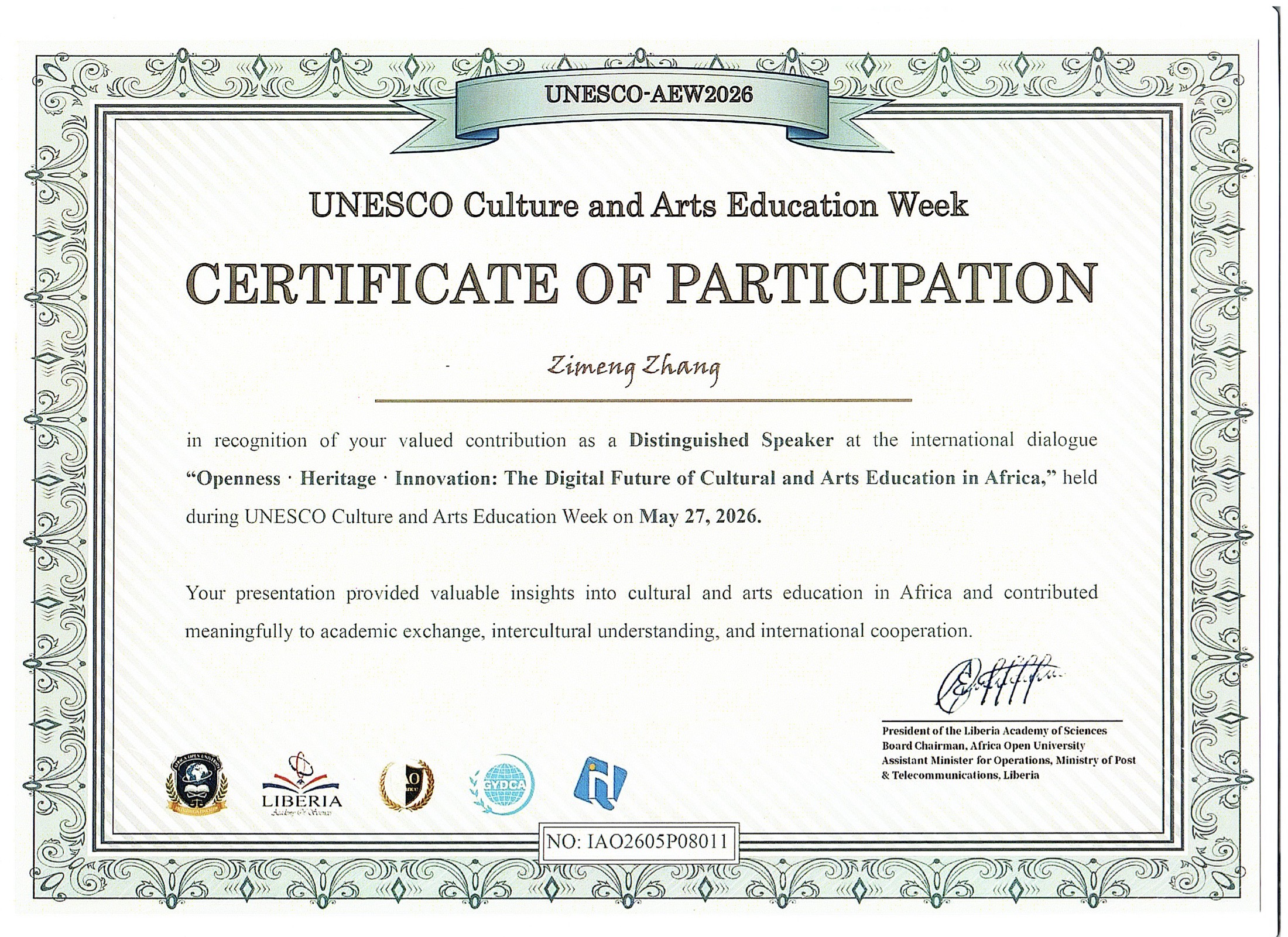
Invited speaker · UNESCO Culture and Arts Education Week · May 27, 2026特邀演讲嘉宾 · 联合国教科文组织文化艺术教育周 · 2026 年 5 月 27 日

At an international dialogue on arts education in Africa, I spoke about using digital tools to preserve cultural heritage and help young people create their own work.在围绕非洲文化艺术教育的国际对话中,我就数字工具如何保护文化传承、帮助年轻人成为创作者发言。

Read the original speech展开发言稿全文

Distinguished Guests, Colleagues, and Friends,

Good afternoon,

It is a profound honor to stand before you today at the UNESCO Culture and Arts Education Week. I would like to express my sincere gratitude to the organizers for inviting me to serve as a Distinguished Speaker at this international dialogue. It is a privilege to join such a diverse group of educators, policymakers, and innovators from across the globe, and particularly from the African continent.

The theme of our dialogue—“Openness · Heritage · Innovation: The Digital Future of Cultural and Arts Education in Africa”—is not only timely but essential. It speaks directly to the intersection of tradition and technology, and how we can harness the digital revolution to uplift the next generation.

First, let us consider Openness. In the digital age, openness means breaking down the barriers of geography and inequality. For too long, access to quality cultural and arts education has been limited by physical infrastructure. Today, digital platforms are changing that reality.

Take, for example, the African Digital Heritage Trust, which has been working to digitize the archives of the National Museum of Kenya. Through high-resolution imaging and online databases, students in rural Kenya—and indeed anywhere in the world—can now explore the museum’s collections of traditional artifacts, from ancient pottery to ceremonial masks, without ever leaving their classrooms. This is openness in action: democratizing knowledge and ensuring that every child, regardless of their location, has the opportunity to connect with their cultural roots and the wider world.

Second, we must safeguard our Heritage. Africa’s cultural heritage is one of humanity’s greatest treasures. From the ancient manuscripts of Timbuktu to the vibrant oral traditions of countless ethnic groups, this heritage is the soul of the continent. However, heritage is not static; it must be lived and passed on. Digital tools offer unprecedented opportunities to preserve these traditions, but we must be intentional about how we use them.

A powerful example is the “Saving Timbuktu Manuscripts” project, supported by UNESCO and local partners. When conflict threatened these priceless documents, digital preservation became a lifeline. Today, through digitization efforts, students and researchers can access these manuscripts online, studying the rich intellectual history of West Africa. Similarly, in Ethiopia, initiatives to digitally document the rock-hewn churches of Lalibela and the ancient Ge’ez language scripts are ensuring that these heritages are not lost to time. These projects remind us that digitization should not replace lived experience, but serve as a bridge that connects the wisdom of the past with the curiosity of the future.

Third, Innovation is the catalyst. Innovation in this context does not mean discarding the old, but reimagining it. How can we use technology to empower local artists and educators? How can we ensure that innovation serves the needs of African communities?

Consider the rise of mobile-first learning platforms across the continent. In countries like Nigeria and Ghana, startups are developing apps that teach traditional music and dance through interactive tutorials. For instance, the “AfroBeats Academy” app allows young people to learn traditional drumming patterns and dance moves via their smartphones, blending cultural education with modern technology. Meanwhile, in South Africa, the “Digital Grassroots” initiative is training young people in townships to use digital tools to document and share their own cultural stories, turning them from consumers of technology into creators of cultural content.

As we look to the future, I believe the digital transformation of cultural and arts education in Africa must be guided by three principles:

1. Inclusivity: Ensuring that digital tools reach the marginalized and the underserved. The “One Laptop per Child” initiative in Rwanda, for example, has shown how providing affordable devices can open up new worlds of learning for children in remote areas.

2. Collaboration: Fostering partnerships between governments, academia, the private sector, and local communities. The African Union’s “Digital Transformation Strategy for Africa” is a prime example of how continental collaboration can drive progress.

3. Authenticity: Ensuring that as we innovate, we remain true to the cultural narratives and values that define us. Projects like the “African Storybook” initiative, which provides openly licensed children’s stories in multiple African languages, demonstrate how digital tools can amplify authentic voices.

In closing, I would like to echo the spirit of UNESCO’s mission. The future of cultural and arts education in Africa is not just about technology; it is about people. It is about the young girl in Monrovia who can now learn to code and design digital art inspired by her heritage. It is about the young boy in Nairobi who can access a virtual museum of African history. It is about all of us in this room working together to build a future where openness empowers, heritage inspires, and innovation transforms.

Thank you for your time, your attention, and your commitment to this noble cause. I look forward to our continued exchange.

尊敬的各位来宾、同仁、朋友们:

大家下午好!

非常荣幸能够出席联合国教科文组织文化艺术教育周并在此发言。衷心感谢主办方邀请我担任本次国际对话的杰出嘉宾。能够与来自全球各地,尤其是非洲大陆的教育工作者、政策制定者与创新者齐聚一堂,我倍感荣幸。

本次对话的主题——“开放·传承·创新:非洲文化艺术教育的数字化未来”,不仅恰逢其时,更意义深远。它直指传统与科技的交汇点,关乎我们如何借助数字革命的力量,培育下一代。

首先,我们来谈谈开放。在数字时代,开放意味着打破地域与不平等的壁垒。长久以来,优质文化艺术教育受限于实体基础设施,难以普及。如今,数字平台正在改变这一现状。

以非洲数字遗产信托基金为例,该机构一直致力于对肯尼亚国家博物馆的馆藏档案进行数字化处理。借助高分辨率影像与在线数据库,肯尼亚农村地区乃至世界各地的中小学生,足不出户便能浏览博物馆收藏的传统器物,从古代陶器到仪式面具,尽收眼底。这正是开放的生动实践:推动知识普及,确保每个孩子无论身处何方,都能有机会联结自身文化根源与更广阔的世界。

其次,我们必须守护传承。非洲的文化遗产是人类最伟大的财富之一。从廷巴克图古老的手稿,到众多族群鲜活的口述传统,这份遗产是这片大陆的灵魂。然而,遗产并非静止不变,它需要被践行、被传递。数字工具为保存这些传统提供了前所未有的机遇,但我们必须审慎运用。

一个极具代表性的案例是联合国教科文组织与当地合作伙伴共同支持的“拯救廷巴克图手稿”项目。当冲突威胁到这些无价文献时,数字化保存成为关键的生命线。如今,通过数字化工作,学生和研究者可以在线查阅这些手稿,研习西非丰富的思想史。同样,在埃塞俄比亚,对拉利贝拉岩石教堂以及古老吉兹文手稿进行数字化记录的举措,正确保这些遗产不被岁月湮没。这些项目提醒我们:数字化不应取代亲身的文化体验,而应成为连接过去智慧与未来求知欲的桥梁。

第三,创新是催化剂。在此语境下,创新并非摒弃传统,而是对其重新诠释。我们该如何运用技术赋能本土艺术家与教育者?又该如何确保创新真正服务于非洲社群的需求?

放眼整个非洲大陆,移动优先的学习平台正在兴起。在尼日利亚和加纳等国,初创企业开发了通过互动教程教授传统音乐与舞蹈的应用程序。例如,“AfroBeats学院”应用让年轻人能够通过智能手机学习传统鼓点节奏与舞蹈动作,将文化教育与现代科技相融合。与此同时,在南非,“数字草根”倡议正培训乡镇青年运用数字工具记录并分享自己的文化故事,使他们从技术的消费者转变为文化内容的创作者。

展望未来,我认为非洲文化艺术教育的数字化转型必须遵循三大原则:

1. 包容性:确保数字工具惠及边缘化群体与服务不足的群体。例如,卢旺达的“每个孩子一台笔记本电脑”计划表明,提供平价设备能够为偏远地区的儿童打开全新的学习天地。

2. 协作性:促进政府、学术界、私营部门与当地社区之间的伙伴关系。非洲联盟的《非洲数字化转型战略》是大陆层面协作推动发展的典范。

3. 本真性:确保在创新过程中,坚守定义我们的文化叙事与价值观。诸如“非洲故事书”倡议等项目,以多种非洲语言提供开放授权的儿童故事,展示了数字工具如何放大本土真实的声音。

最后,我想呼应联合国教科文组织的使命精神。非洲文化艺术教育的未来,归根结底不在于技术,而在于人。它关乎蒙罗维亚的年轻女孩,如今能够学习编程,并设计出受自身文化遗产启发的数字艺术作品;它关乎内罗毕的年轻男孩,能够访问非洲历史的虚拟博物馆;它关乎在座每一位携手努力,共建一个开放赋能、传承启迪、创新驱动的未来。

感谢大家的宝贵时间、关注,以及为这项崇高事业所付出的努力。期待我们持续的交流与协作。
Certificate recognizing Zimeng Zhang as a Distinguished Speaker
Distinguished Speaker · View certificate特邀演讲嘉宾 · 点击查看证书

Invited guest at the
China–Africa science roundtable
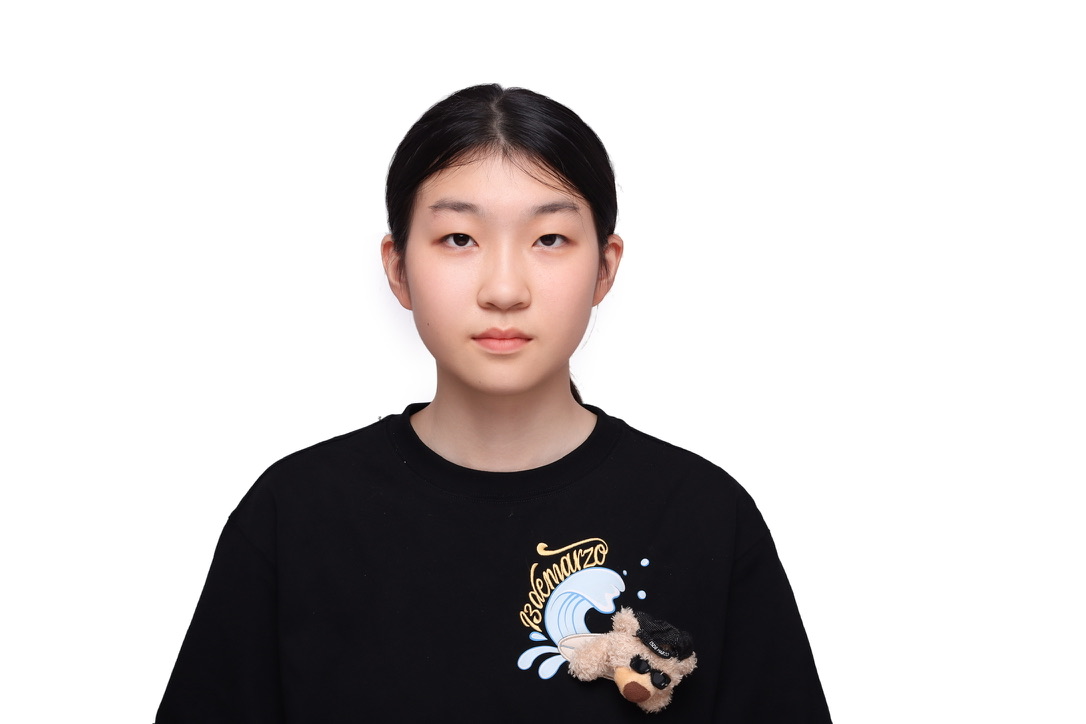
受邀参加中非青年科学家圆桌对话

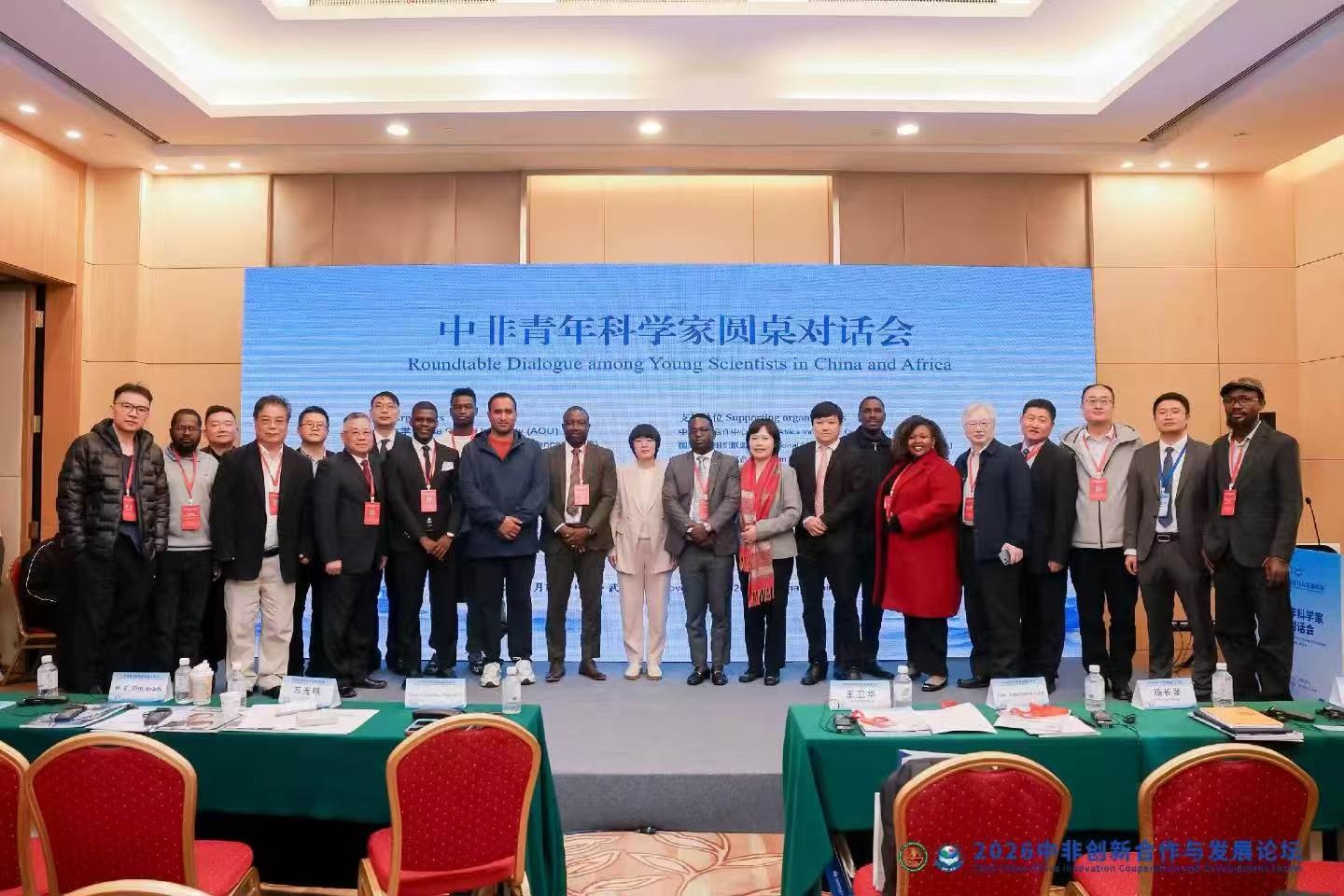
Invited guest · Wuhan, China · November 11, 2026特邀嘉宾 · 武汉 · 2026 年 11 月 11 日

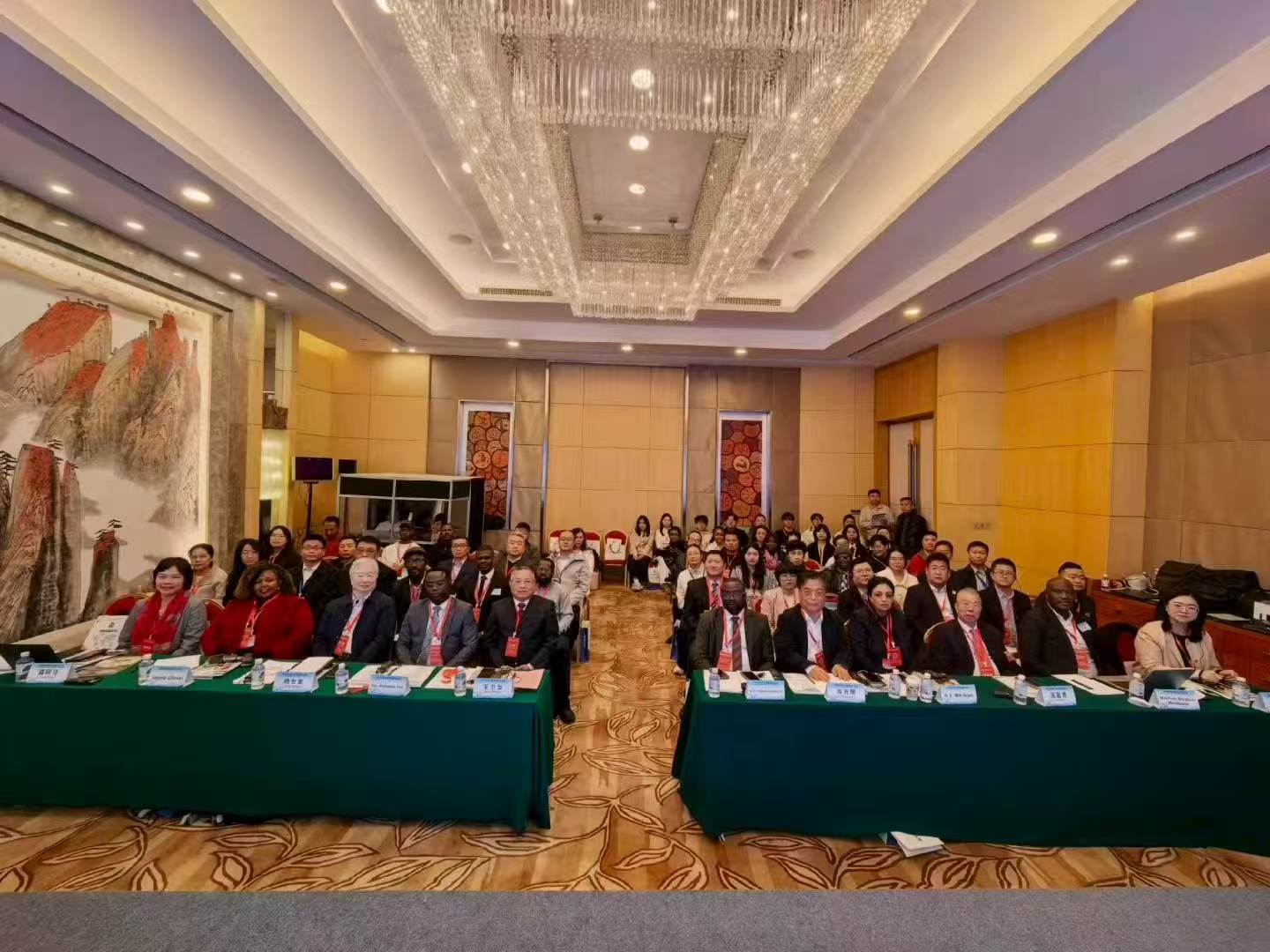
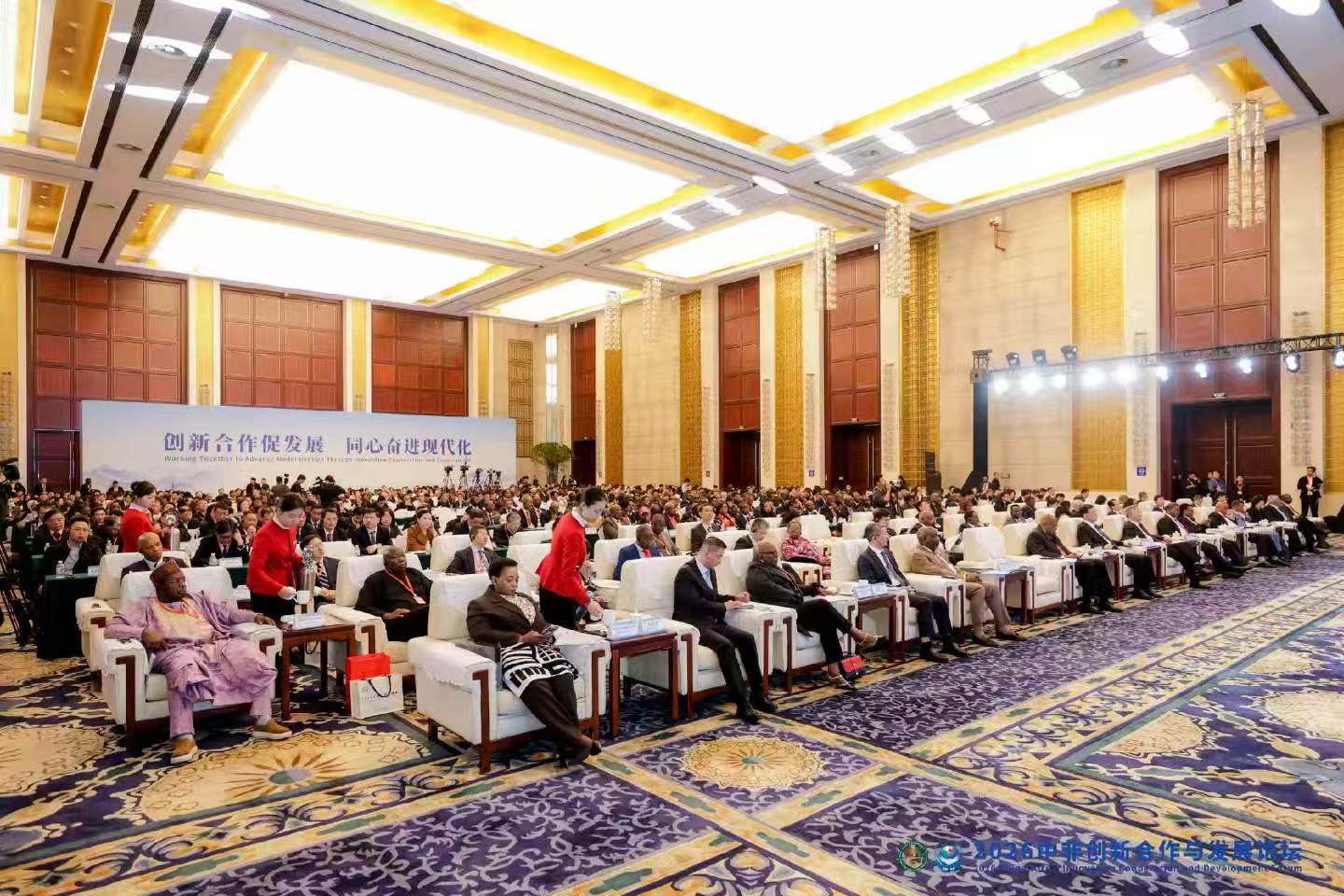
I was an invited guest at the Roundtable Dialogue among Young Scientists in China and Africa, held during the China–Africa Innovation Cooperation and Development Forum.作为特邀嘉宾,出席中非创新合作与发展论坛期间举行的中非青年科学家圆桌对话会。

Participants at the China–Africa roundtable
View two more event photos查看另外两张现场照片
Roundtable meeting roomForum main hall
Invited Guest certificate naming Zhang Zimeng
Invited Guest · View certificate特邀嘉宾 · 点击查看证书